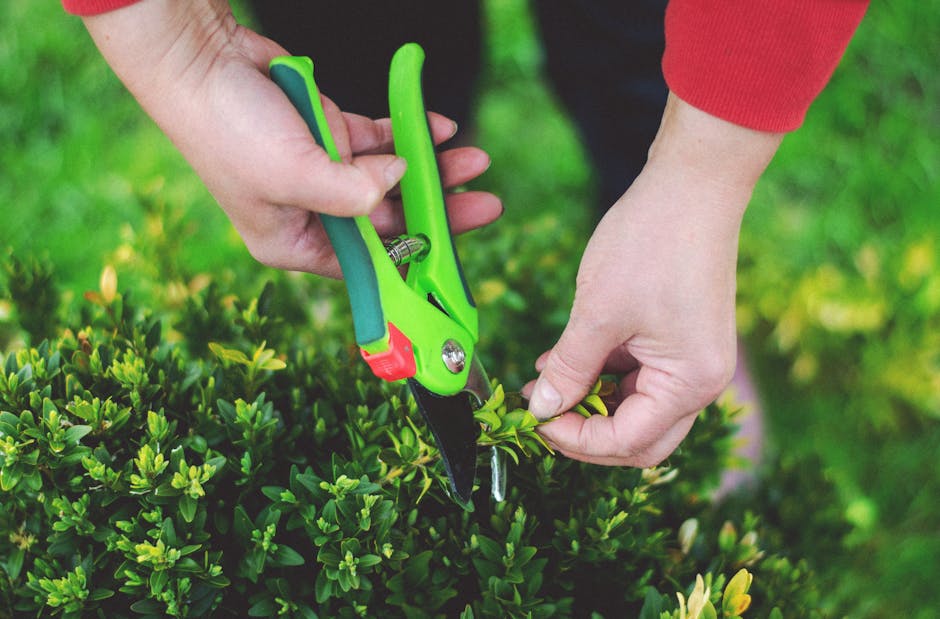
Real cost guide for garden maintenance Queens Park homes
If you live in Queens Park, you already know the garden is part of the home, not just a patch at the back. One week it looks tidy and calm, the next it is suddenly all growth, leaf litter, and those small jobs you keep meaning to sort. This guide gives you a realistic look at the real cost guide for garden maintenance Queens Park homes, so you can budget properly, compare options with confidence, and avoid paying too much for work you did not actually need.
Truth be told, garden maintenance costs are rarely a flat number. They change with garden size, access, seasonal demand, the condition of the space, and whether you need a simple refresh or a more regular upkeep plan. Below, we break it down in plain English, with practical examples and a few local realities that matter in a busy London neighbourhood.
Table of Contents
- Why the cost guide matters
- How garden maintenance pricing works
- Key benefits and practical advantages
- Who this is for and when it makes sense
- Step-by-step guidance
- Expert tips for better results
- Common mistakes to avoid
- Tools, resources and recommendations
- Law, compliance, standards, or best practice
- Options, methods, or comparison table
- Case study or real-world example
- Practical checklist
- Conclusion
- Frequently asked questions
Why the cost guide matters
Garden maintenance in Queens Park is one of those expenses that can look small at first and then quietly become a regular line in the household budget. A light tidy-up after a few wet weeks is one thing. A full seasonal reset, hedge reduction, lawn recovery, and waste removal is something else entirely. If you do not understand the pricing structure, you can end up comparing apples with pears.
That matters because a sensible quote should reflect the actual work required, not just a vague label like "general maintenance". For example, two gardens might both be described as small, but one could be a neat courtyard with easy access while the other has a narrow side passage, stubborn weeds, heavy pruning, and a compost heap that needs shifting before work can even begin. Same postcode, very different job.
There is also a planning angle. If you know the likely cost bands, you can decide whether to book a one-off visit, a rolling maintenance plan, or a broader tidy-up that includes services such as lawn mowing, hedge trimming, or a more intensive garden clearance. That makes the budget feel less like a surprise and more like a choice. Which, let's face it, is always nicer.
How garden maintenance pricing works
Most garden maintenance pricing in Queens Park is built around a few core variables. You may see a fixed visit price for straightforward jobs, an hourly rate for flexible work, or a bespoke quote for larger gardens and more complex tasks. None of these is inherently better. The right approach depends on what needs doing.
Common pricing drivers
- Garden size: Bigger spaces usually take longer and may need more labour, more fuel, and more waste handling.
- Condition of the garden: A well-kept plot costs less to maintain than an overgrown one that needs catching up.
- Access: Tight side access, limited parking, or lots of carrying distance can add time and effort.
- Type of work: Grass cutting, weeding, pruning, edging, and leaf clearance all sit at different effort levels.
- Frequency: Regular upkeep is usually easier to manage than one-off rescue work.
- Waste removal: Green waste disposal can be included, added separately, or handled in stages.
To be fair, the garden itself often tells you where the cost is going to land. If the lawn is healthy and the borders are under control, you are looking at a lighter, cleaner job. If the shrubs have gone full wild and the paths are disappearing, that is a different conversation.
It helps to separate maintenance from restoration. Maintenance is the routine stuff: mowing, trimming, edging, weed control, leaf collection, light pruning, and seasonal tidy-ups. Restoration is heavier lifting: clearance, reshaping, reclaiming neglected beds, and sometimes sorting features before you can even think about a regular schedule. If you need both, it is often smarter to ask for a combined quote rather than piecing it together afterwards.
Key benefits and practical advantages
A clear cost guide is not just about saving money. It is about making better decisions and getting a garden that suits how you actually live.
- Better budgeting: You know what to set aside monthly, seasonally, or after winter.
- Less waste: You avoid paying for unnecessary extras or duplicate visits.
- Cleaner comparison: Quotes become easier to compare if you know what should be included.
- Healthier outdoor space: Regular maintenance usually prevents small issues turning into larger, pricier ones.
- Less stress: A tidy garden is one less thing hanging over you on a Saturday morning.
There is also the practical day-to-day benefit. A maintained garden is easier to use, easier to enjoy, and often easier to sell if you ever move on. In a place like Queens Park, where outdoor space can be precious, even a modest garden feels bigger and more welcoming when it is looked after properly.
Expert summary: the cheapest visit is not always the best value. The best value is the quote that matches the real condition of the garden, includes the right tasks, and leaves you with less work to repeat next month.
Who this is for and when it makes sense
This guide is useful if you are a homeowner, landlord, tenant with garden responsibility, or someone managing a property between lets. It is especially helpful if you are trying to decide whether to book one-off help or put a recurring plan in place.
In Queens Park, that often means one of a few common situations:
- You have a front or rear garden that gets unruly after a wet spell.
- You are preparing for guests, a rental inspection, or a property sale.
- You have limited time and want a reliable upkeep routine.
- You have inherited a garden that needs a proper reset before maintenance can start.
- You are trying to keep a decent standard without overcommitting financially.
It also makes sense if you are weighing up related services. For example, a garden that needs weekly or fortnightly care may be better suited to a structured garden maintenance plan, while a garden with large overgrowth, debris, or old clutter may need garden clearance first. Sometimes people try to force a maintenance quote onto a clearance job, and that is how budget confusion starts. Not ideal.
If your garden has trees that need attention or safety concerns overhead, it may also be worth asking whether tree lopping and removal needs to be considered as a separate part of the project. That is one of those jobs where a quick glance can miss the actual workload.
Step-by-step guidance
Here is a practical way to approach garden maintenance costs without getting lost in jargon.
- Walk the garden slowly. Look at the lawn, borders, hedges, paths, fences, and any hidden corners. Be honest about what needs doing.
- List the tasks. Mowing, weeding, pruning, leaf clearance, hedge cutting, waste removal, and edging are the common ones.
- Decide what is urgent. Some issues are cosmetic. Others, like broken access, unsafe branches, or heavy overgrowth, need priority.
- Separate one-off work from routine work. That distinction changes the cost more than people expect.
- Ask what is included. A quote should make clear whether labour, waste disposal, tools, and follow-up visits are part of the price.
- Compare like for like. If one quote includes clearance and another does not, they are not comparable yet.
- Choose the right frequency. In many cases, smaller and regular visits work out better than occasional large jobs.
A good practical habit is to take a couple of photos before you request pricing. Not for drama. Just so everyone is looking at the same starting point. You will often save yourself a back-and-forth later.
If you are exploring broader improvements at the same time, it may help to review services overview pages to see how maintenance sits alongside landscaping, clearance, and other outdoor work. That context can be useful when the garden needs more than a quick tidy.
Expert tips for better results
Here are a few tips that make a surprising difference to both cost and quality.
- Keep on top of growth in spring and early summer. Once the pace picks up, everything costs a bit more because the work stacks up fast.
- Bundle compatible jobs. If the team is already there, combining mowing, edging, and hedge work is often more efficient than splitting them apart.
- Be specific about boundaries. Say exactly which areas are included, especially in gardens with shared side access or planted courtyards.
- Ask about waste handling early. Green waste can add time and vehicle space, so it should never be a mystery item at the end.
- Choose maintenance intervals that match the garden's pace. A low-maintenance plot may only need occasional visits; a fast-growing one usually benefits from a steadier rhythm.
One small thing many people miss: the weather changes the whole feel of the job. A damp morning in Queens Park can make the grass heavier, the paths messier, and the tidy-up longer than expected. It is not dramatic, just real life. And real life affects labour time.
Another tip? Ask whether light hedge work or seasonal cutting can be included before the job grows teeth. The difference between "sort it now" and "we'll deal with it next month" is often where budgets quietly drift.
Common mistakes to avoid
Most garden maintenance budgeting mistakes are simple, which is why they happen so often.
- Ignoring the starting condition: A neglected garden is not priced like a tidy one.
- Assuming all maintenance includes waste removal: It does not always.
- Comparing hourly and fixed-price quotes without checking what each covers: That is how confusion spreads.
- Booking routine maintenance too infrequently: A larger gap often means a larger bill later.
- Forgetting access and parking realities: In London, these details can genuinely change how long a job takes.
Sometimes the mistake is emotional rather than practical. People wait until the garden feels embarrassing, then ask for a miracle on a modest budget. We have all done the "I'll sort it next weekend" thing. Next weekend becomes next month, and then the work becomes more expensive than it needed to be. Happens all the time.
Another common misstep is assuming every garden needs the same level of attention. A small paved patio, a courtyard with containers, and a larger family garden all behave differently. They age differently too. The smartest quote is the one that respects that.
Tools, resources and recommendations
You do not need a shed full of specialist gear to understand or manage garden maintenance costs. A few simple tools and habits go a long way.
- Notebook or phone notes: Keep a running list of what needs attention.
- Photos: Useful for comparing before-and-after conditions and clarifying scope.
- Calendar reminders: Handy for seasonal jobs such as hedge cutting, leaf clearance, and lawn recovery.
- Measuring steps or rough dimensions: Not perfect, but good enough to help estimate scale.
- Budget bands: Set aside a small monthly amount if you prefer fewer surprises.
If you want a quote that feels grounded rather than guessy, a service that offers transparent pricing and quotes can make the process much easier. Clear pricing does not remove all uncertainty, but it does reduce the guesswork, and that is worth a lot.
For larger outdoor improvements, a look at landscape gardening or landscaping may also help if your maintenance spend keeps rising because the underlying layout is hard to care for. Sometimes the cheapest long-term fix is not more trimming, but a better-designed space.
Law, compliance, standards, or best practice
For most homeowners, garden maintenance is a straightforward service rather than a regulated project. Still, there are sensible standards to keep in mind.
Good practice in the UK usually means work is carried out safely, waste is managed responsibly, and any higher-risk tasks are treated with proper care. That matters more than people think. For example, work near trees, heights, or difficult access should be assessed carefully rather than rushed. If a contractor is cutting corners on safety, that is not a bargain. It is a problem waiting to happen.
It is also sensible to ask how green waste is handled and whether the service follows responsible disposal practices. If sustainability matters to you, a provider that can explain its recycling approach clearly is often a better fit. You can also review a company's recycling and sustainability approach before booking, especially if your garden produces a lot of cuttings or mixed waste.
Insurance is another common-sense check. You do not need a lecture on it, but you do want reassurance that the business is organised properly. Pages like insurance and safety and health and safety policy are useful signs that the company takes the practical side seriously. Small detail, big comfort.
Options, methods, or comparison table
Not every garden needs the same type of service. Here is a simple comparison to help you think about the right fit.
| Option | Best for | Typical cost shape | Notes |
|---|---|---|---|
| One-off tidy-up | Gardens that have drifted out of control or need a seasonal refresh | Often higher per visit | Useful before events, moves, or inspections |
| Regular maintenance | Gardens that grow steadily and need consistency | Usually more predictable | Good value if the garden is used often |
| Clearance first, maintenance later | Overgrown or cluttered gardens | Higher initial spend, lower ongoing upkeep | Often the most practical route for neglected spaces |
| Combined maintenance and light improvement | Gardens that need upkeep plus a few repairs or layout changes | Depends on scope | May suit gardens needing small upgrades, not a full redesign |
If you are unsure which route to take, ask yourself one blunt question: is this garden being maintained, or rescued? That answer usually points you in the right direction faster than a long email thread ever will.
Case study or real-world example
Picture a typical Queens Park rear garden after a busy season. The lawn is patchy but salvageable. The hedge has pushed out a bit too far. A few beds are weedy, and there is a corner filled with cuttings, broken pots, and a bag of old compost that has sat there far too long. Nothing outrageous. Just a garden that has slipped.
In a case like that, the most efficient approach is usually to start with clearance and then move into maintenance. If the team begins with mowing alone, they are likely to waste time moving around debris. If they start with tidying the worst areas, the rest of the work becomes cleaner and quicker. That usually feels better too. Less chaos, more progress.
A homeowner in that situation might initially ask for a "basic tidy", but once the scope is inspected properly, it becomes clear that hedge trimming, lawn mowing, and some clearance are all needed. The bill is not just about labour. It reflects the sequence of work, the waste handled, and the fact that the garden was no longer a simple upkeep job. Once the owner understands that, the quote makes sense. Before that, it can feel a bit annoying, yes.
The useful lesson is simple: the real cost is driven by the state of the garden, not just its address.
Practical checklist
Use this before you request a quote or book a visit.
- Check the lawn, hedges, borders, paths, and access routes.
- Write down the jobs you want done, not just a general description.
- Decide whether the garden needs clearance, maintenance, or both.
- Note any waste that may need removing.
- Measure roughly if the space is larger than it looks.
- Take a few clear photos in daylight.
- Ask what is included in the price.
- Ask whether the visit is one-off or part of a repeating plan.
- Confirm any safety concerns, difficult access, or parking issues.
- Compare quotes on the same scope of work.
That last point is the one people skip most often. Then they wonder why the prices look wildly different. They are not always wildly different. They are often quoting different jobs.
Conclusion
The real cost of garden maintenance for Queens Park homes depends on what the garden needs right now, not just what it looked like last spring. A tidy, regular garden is usually more affordable to keep in shape than a neglected one that needs a full reset. Once you understand the difference between routine upkeep, clearance, and improvement work, the numbers start making sense.
If you want better value, think in terms of scope, frequency, access, and waste from the very beginning. That simple bit of planning can save money, reduce frustration, and leave your outdoor space feeling genuinely cared for rather than endlessly patched up.
Get a free quote today and see how much you can save.
And if you are still weighing things up, that is fine. A good garden plan does not need to be rushed; it just needs to fit the way you live.
Frequently Asked Questions
How much does garden maintenance usually cost for a Queens Park home?
It depends on garden size, access, condition, and the type of work needed. A light routine visit will usually cost less than a bigger tidy-up or a garden that has been left to grow for a while.
Is it cheaper to book regular maintenance instead of one-off visits?
Often, yes. Regular upkeep tends to be more predictable and can prevent the garden from reaching a stage where larger, more expensive jobs are needed.
What is the difference between garden maintenance and garden clearance?
Garden maintenance is the ongoing care: mowing, trimming, weeding, and tidying. Garden clearance is for heavier jobs, such as removing overgrowth, debris, and accumulated waste.
Do small gardens in Queens Park still need professional maintenance?
They can, especially if the garden has hedges, a lawn, seasonal plants, or limited time for upkeep. Small spaces still need attention, and sometimes they need more precise work than larger ones.
What should be included in a garden maintenance quote?
A good quote should explain the tasks included, whether waste removal is covered, any access assumptions, and whether the price is fixed or based on time spent.
Why do garden prices vary so much between properties?
Because the work is rarely identical. Two gardens can be the same size on paper but very different in condition, layout, and access. That changes labour time and effort.
Is hedge trimming usually priced separately?
Sometimes yes, sometimes it is bundled into maintenance. It depends on the size of the hedge, the equipment required, and whether it is a light tidy or a larger cutback.
Should I prepare the garden before asking for a quote?
It helps to clear obvious clutter, take photos, and list the jobs you want done. That does not change the garden itself, but it does make the quote more accurate.
What if my garden also needs landscaping work?
If the space needs more than upkeep, such as layout changes, hard surfaces, or structural improvements, then maintenance may only be part of the plan. In that case, landscaping or landscape gardening may be more suitable.
How often should I book garden maintenance?
That depends on how fast the garden grows and how tidy you want it to stay. Some gardens do well with occasional visits; others need a more regular rhythm to stay under control.
Are safety and insurance important when hiring garden help?
Yes, absolutely. You want work carried out safely and professionally, especially where ladders, tools, heavy lifting, or difficult access are involved.
Can I reduce costs by combining different garden tasks?
Often you can. Combining mowing, trimming, edging, and light clearance can be more efficient than booking each task separately, provided the quote is clear about what is included.